Bathroom 2026: design criteria, material continuity and project-driven solutions
The contemporary bathroom continues to establish itself as a space where architecture, materiality and use must be resolved in a coherent manner. In 2026, bathroom design relies less on decorative gestures and more on technical and formal decisions that ensure durability, ease of maintenance and visual continuity.
Far from being understood as passing trends, the defining principles of today’s bathroom respond to clear project-based criteria, applicable to both new builds and refurbishment projects, and compatible with a wide range of residential and contract typologies.
Continuous surfaces and natural finishes
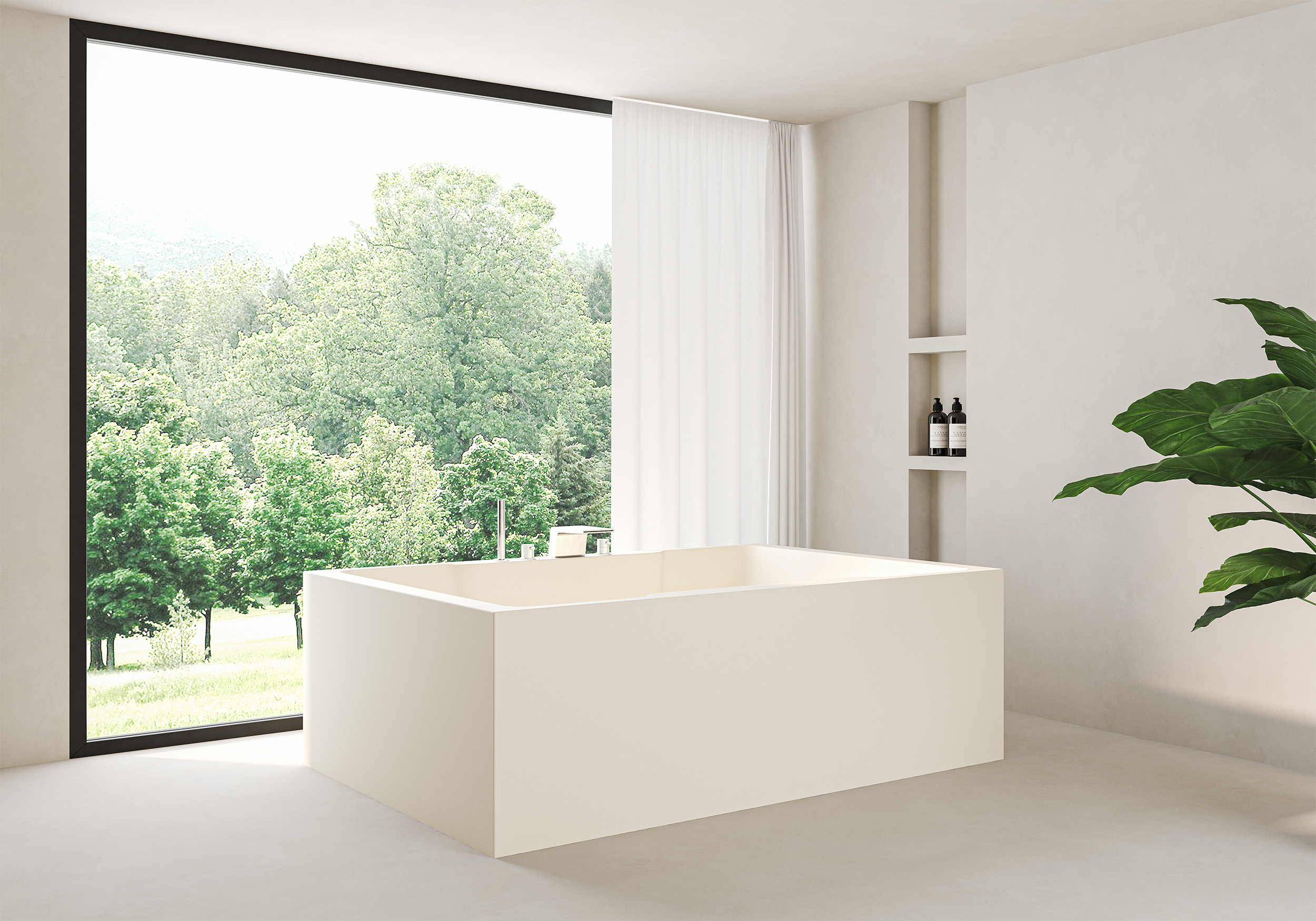
The reduction of joints and the use of continuous surfaces are firmly established as one of the most consistent decisions in contemporary bathroom design. This approach allows for a cleaner reading of the space, reinforces a sense of order and simplifies maintenance without compromising aesthetic quality.
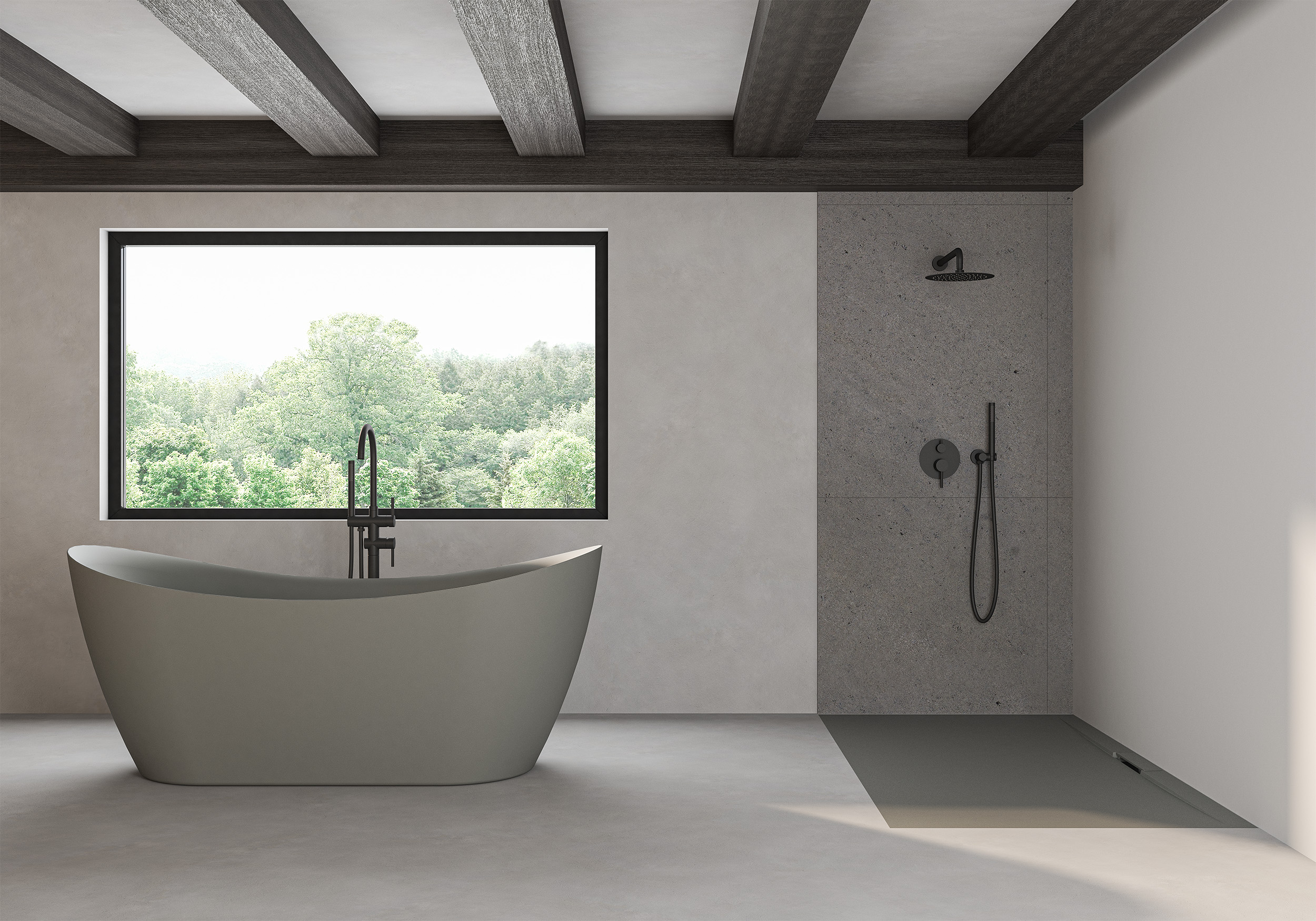
Continuity is further enhanced by the possibility of unifying finishes and colours across bathtubs, shower trays and countertops, encouraging balanced projects that integrate effortlessly. Natural-inspired textures add warmth and visual depth while preserving the overall unity of the space.
Controlled craftsmanship: tradition reinterpreted
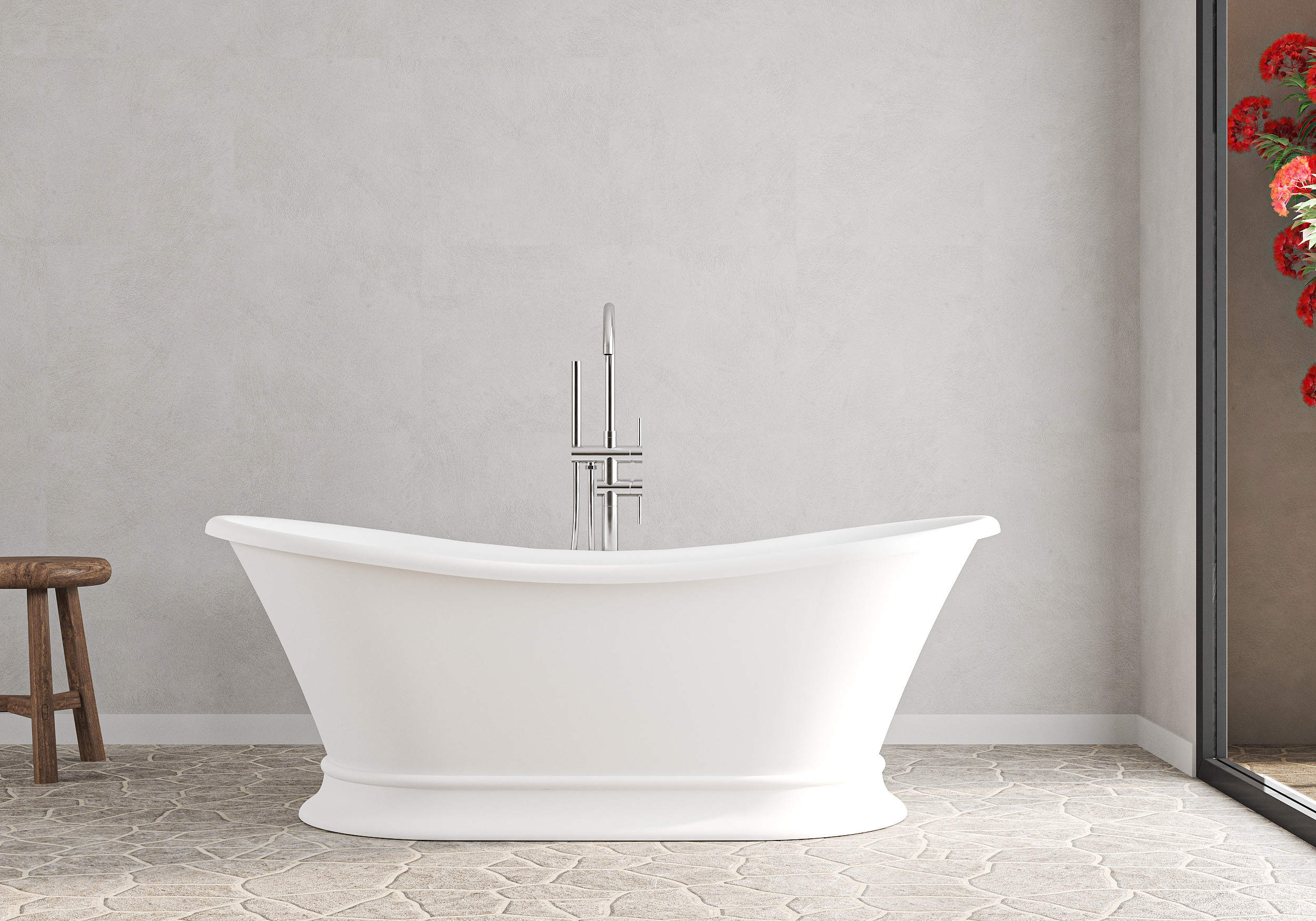
Alongside the purity of continuous surfaces, a design approach remains that introduces artisanal references in a measured and deliberate way. Small-format ceramics, handcrafted finishes or subtle irregularities bring character and human scale to the space.
This language finds a natural expression in projects where vintage-style bathtubs act as a focal point, establishing a dialogue between tradition and contemporary technical solutions. The result is bathrooms with a strong identity, where formal value goes hand in hand with modern functional requirements.
Sculptural silhouettes: the washbasin as an architectural element
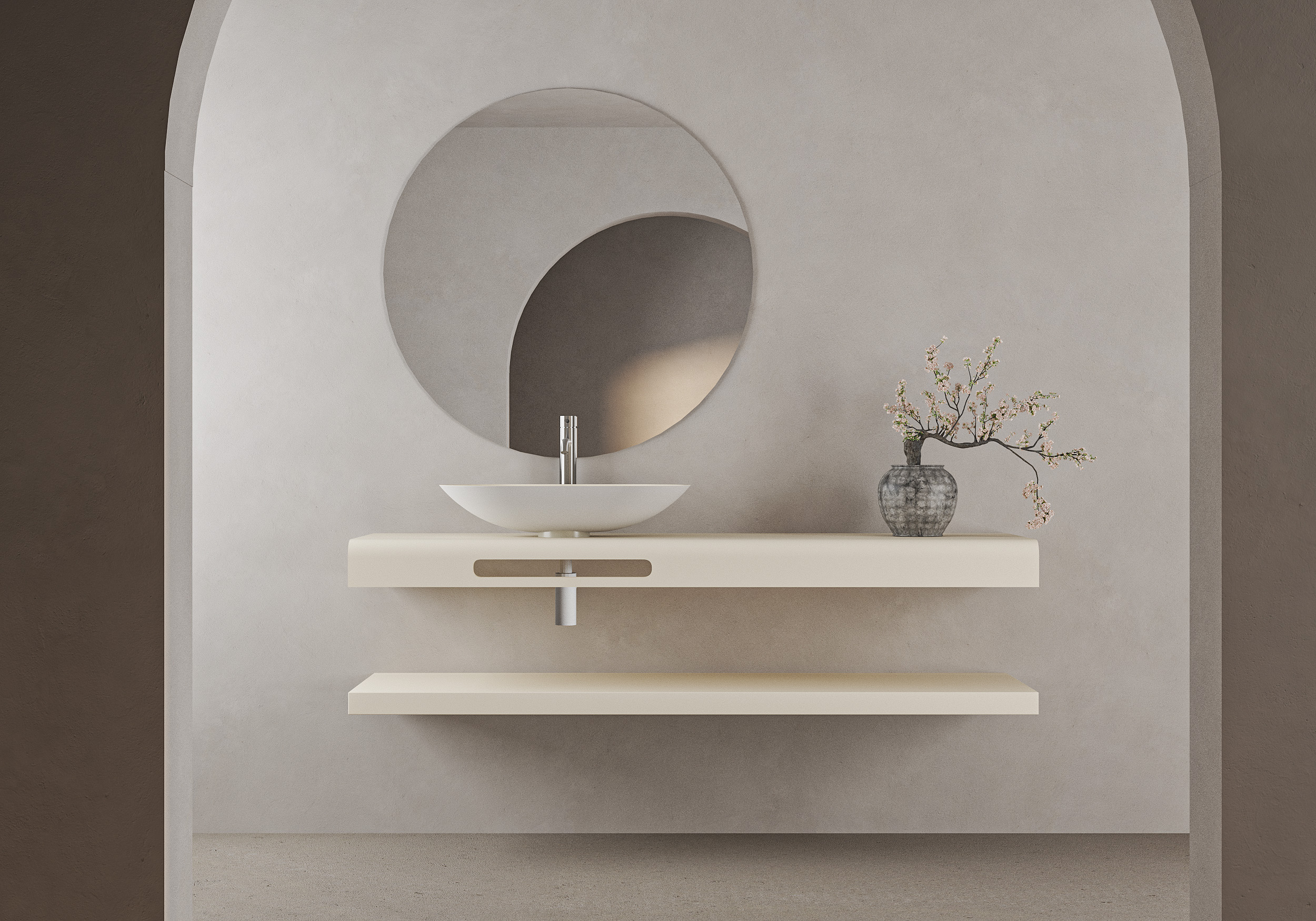
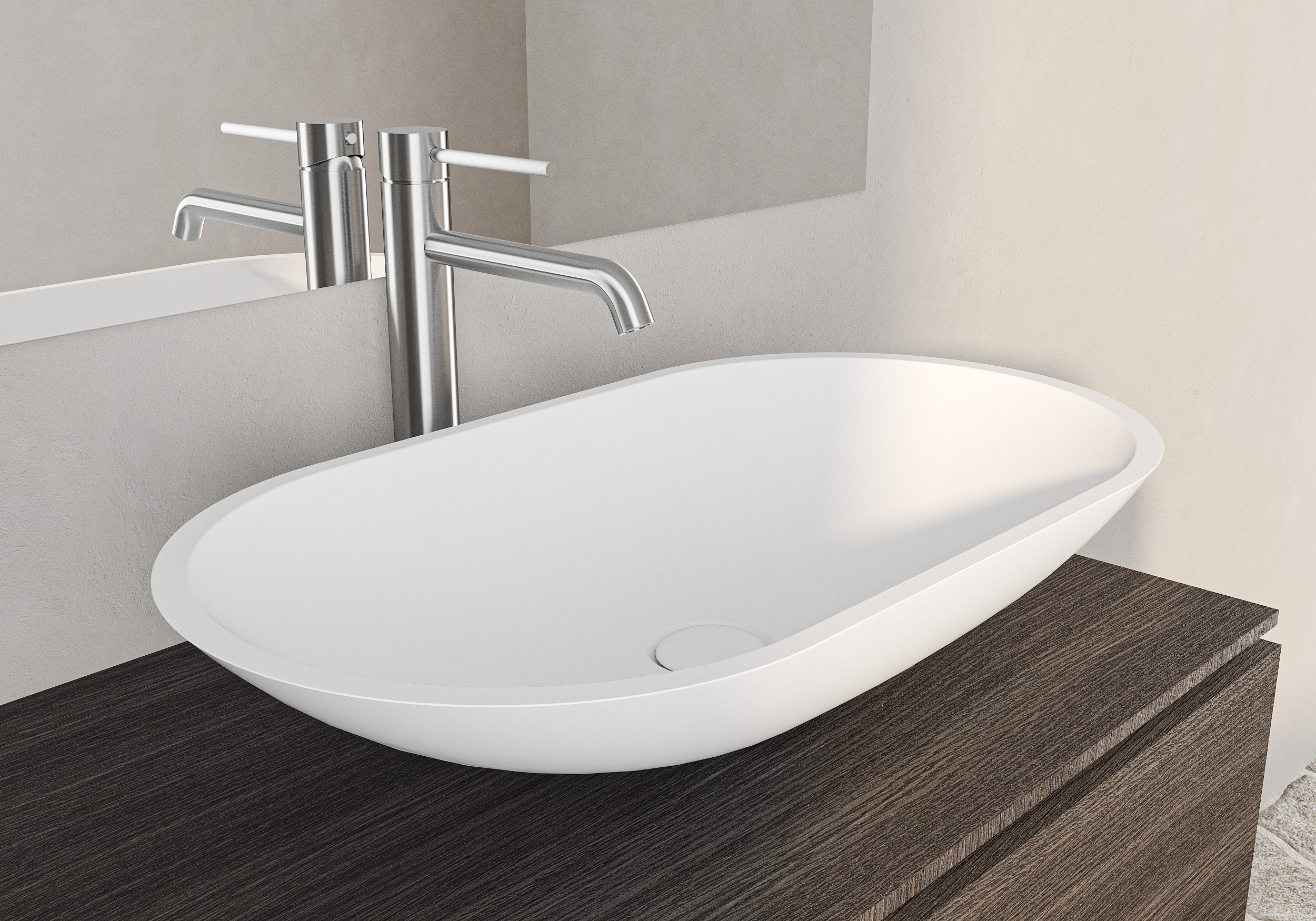
In the bathroom of 2026, the washbasin is increasingly conceived as an element integrated into the architecture of the space, rather than an added component. Compositions that combine basin and support—through countertops, bases or pedestals—allow the ensemble to be resolved as a single, coherent formal gesture.
These solutions make it possible to dispense with bulky furniture and contribute to a lighter visual reading of the space, particularly suitable for projects that prioritise formal clarity and visual balance.
Natural chromatic ranges and uniform application: material coherence
The use of colour in the bathroom is evolving towards natural, desaturated palettes that are easy to integrate into the architectural context. Tones such as sand, beige, clay or caramel are used as a base, bringing warmth and timelessness to the space.
When colour is introduced, it is applied in a controlled and strategic manner, usually to a specific element that acts as an accent without disrupting overall coherence. Moss greens, soft blues or powdery pinks introduce nuance while maintaining a calm and balanced visual language.
XL showers: more space, greater comfort
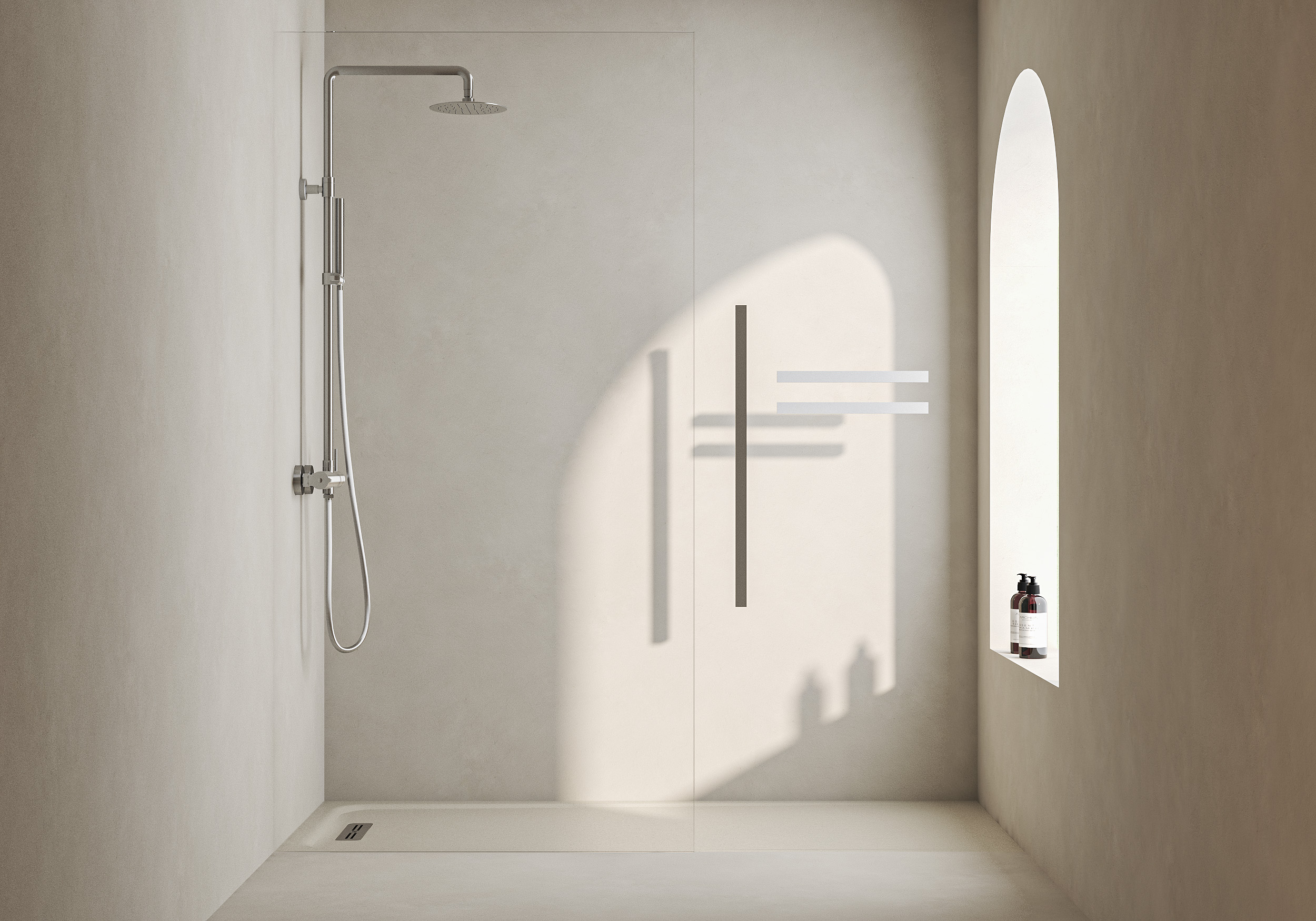
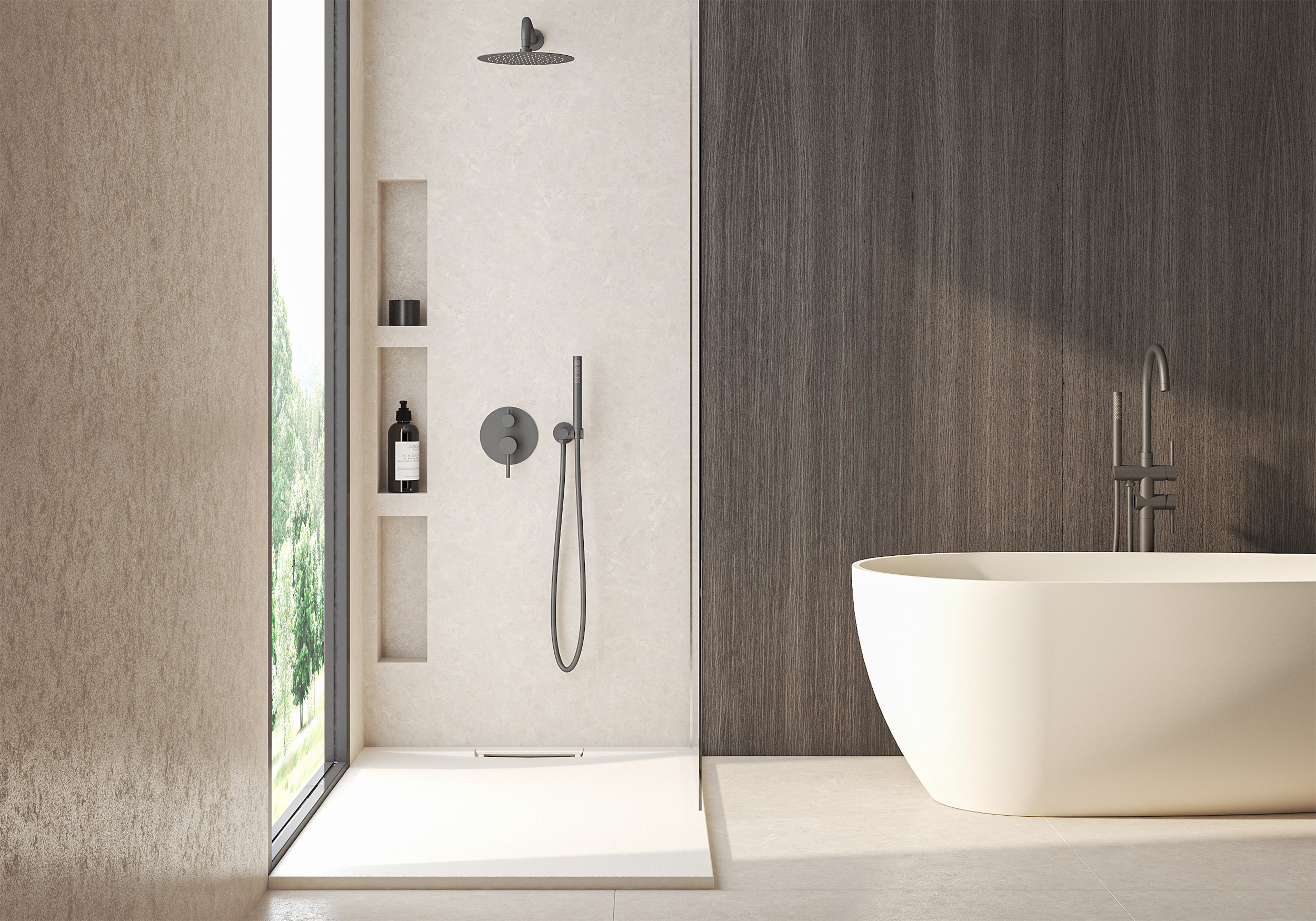
XL showers are firmly established as one of the most sought-after solutions in contemporary bathroom design. Large-format shower trays make it possible to eliminate obstacles, reduce joints and improve accessibility, delivering a more comfortable and fluid user experience.
Beyond functionality, generous shower spaces reinforce the sense of continuity and spaciousness, adapting perfectly to contemporary bathrooms that prioritise everyday wellbeing.
Brushed stainless steel taps: restraint and durability
When it comes to metallic finishes, brushed stainless steel stands out as a key reference for bathroom taps in 2026. Its sober, technical aesthetic fits particularly well with clean-lined spaces and natural colour palettes.
Beyond appearance, this finish is valued for its high resistance to corrosion, durability and ease of maintenance—qualities especially appreciated in humid environments such as the bathroom. A coherent choice for projects seeking a balance between design, functionality and longevity.
When bathroom design is conceived as a whole
The bathroom of 2026 is conceived as an integrated system, where every material, formal and chromatic decision responds to a global criterion of coherence, durability and real use. Continuous surfaces, controlled use of colour, structuring elements and accessible solutions define a space designed to endure, adapt and retain its value over time.
An approach aligned with an architecture that prioritises constructive logic, formal clarity and material honesty.
A well-designed bathroom is not just seen—it is experienced.