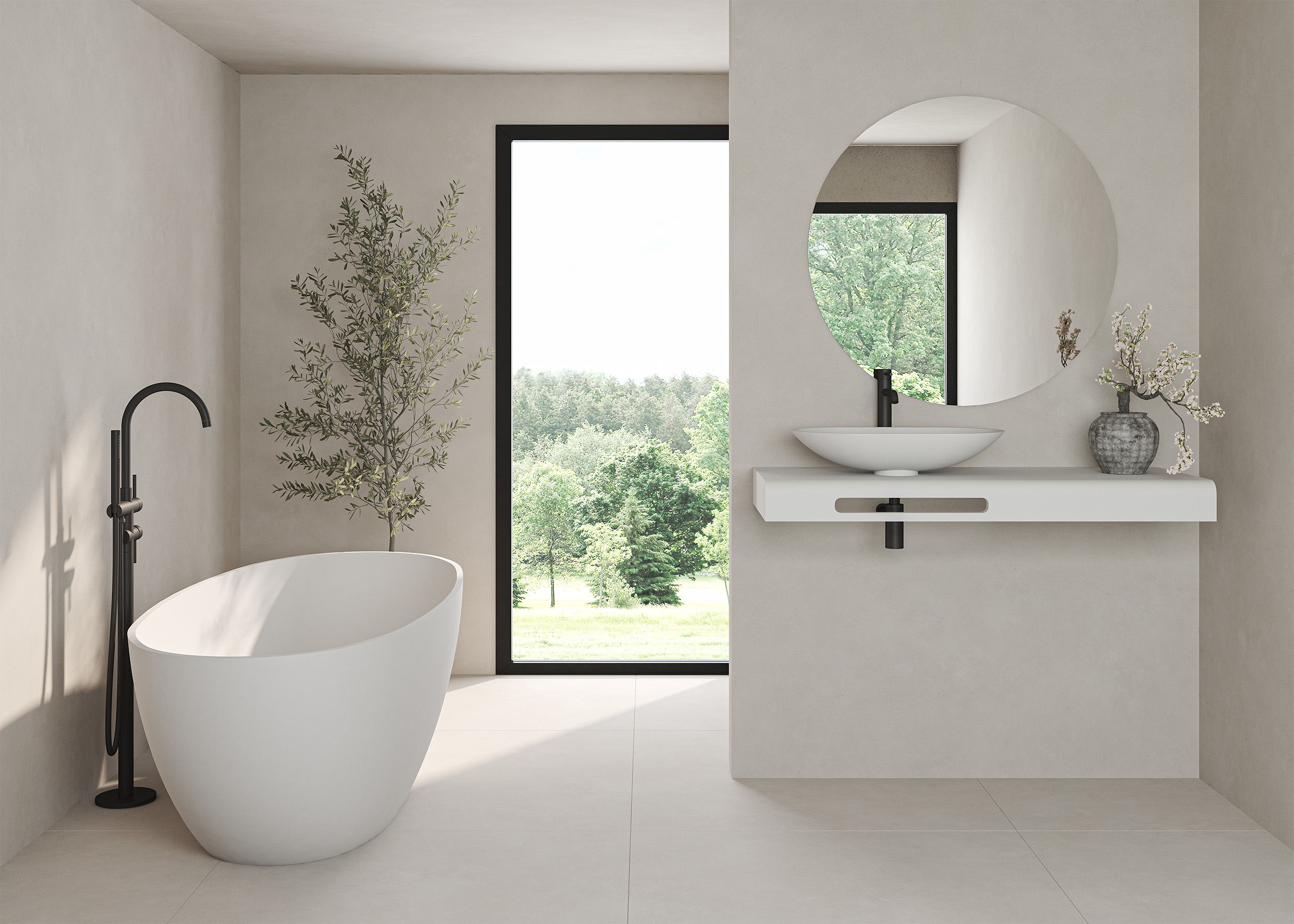
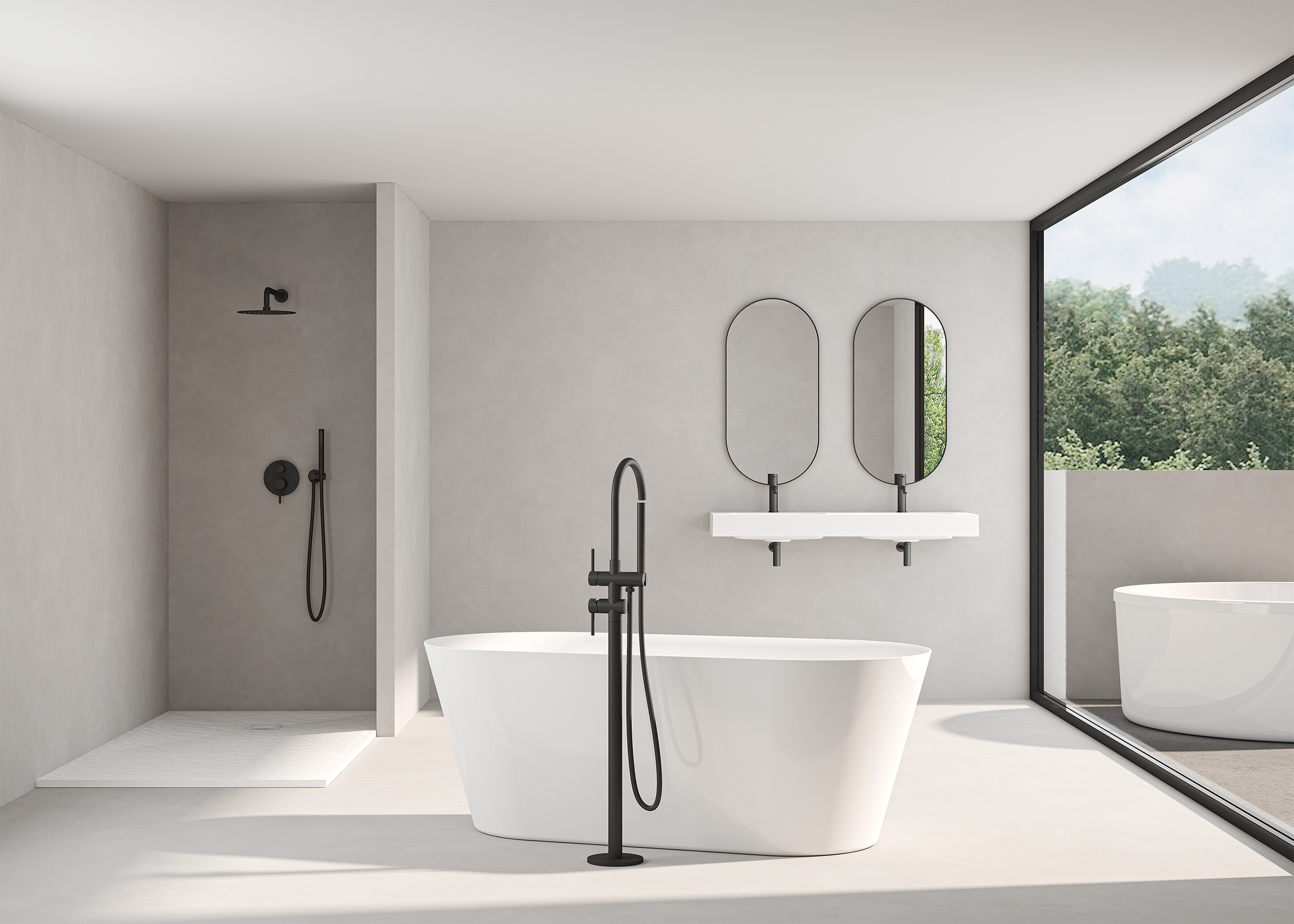
In a bathroom project, every decision shapes the final outcome. The choice of materials, colour, the arrangement of the different elements and the relationship between them determine not only the appearance of the space, but also how it is perceived and experienced.
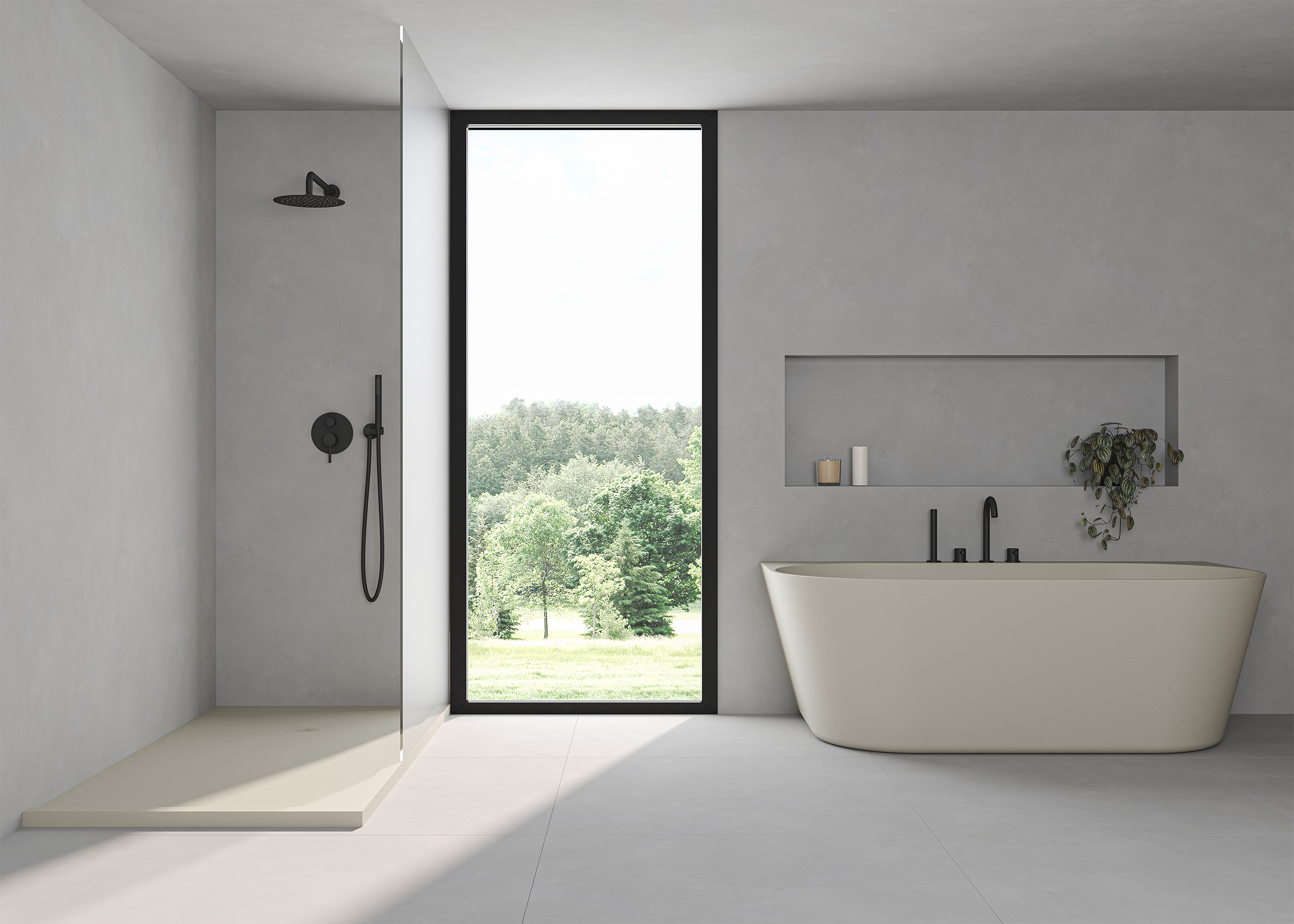
For this reason, continuity is no longer regarded as a purely visual device, but as a genuine design principle. When the shower tray, bathtub, countertop and wall finishes share a common language, the project gains coherence, balance and architectural quality.
Continuity can be achieved through geometry, materials, colour or texture. The objective is not to repeat solutions, but to ensure that every element contributes to the same design concept.
Continuity begins with the project
The feeling of continuity does not depend solely on the choice of materials. It begins much earlier, during the design phase, when the relationship between the different elements that make up the bathroom is first defined.
The layout, the alignment of the various elements, the proportions of the volumes and the way circulation is organised all have a direct influence on the perception of the space. When these decisions are guided by a common design principle, the result naturally conveys order and balance.
Continuity, therefore, is not about making everything identical, but about ensuring that every decision reinforces the same architectural intent.
Materials that speak the same language
The choice of materials plays a fundamental role in creating coherent spaces. Using surfaces with the same finish or compatible material qualities allows the bathroom to be perceived as a unified whole rather than as a collection of separate elements.
In this context, material continuity does not mean sacrificing the identity of each individual piece. On the contrary, it enables shower trays, bathtubs and countertops to establish a balanced visual relationship, where each element retains its own character without disrupting the harmony of the overall composition.
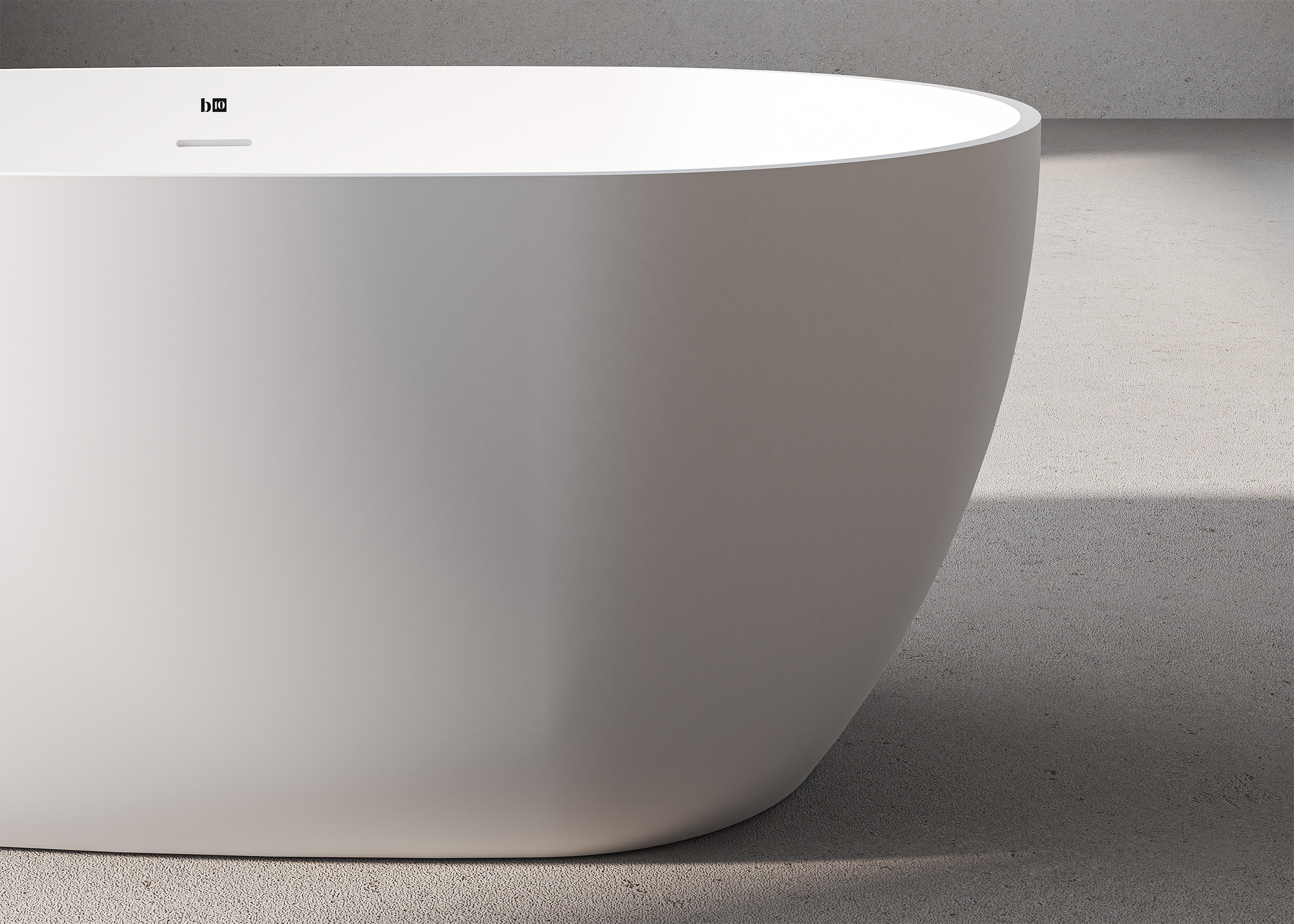
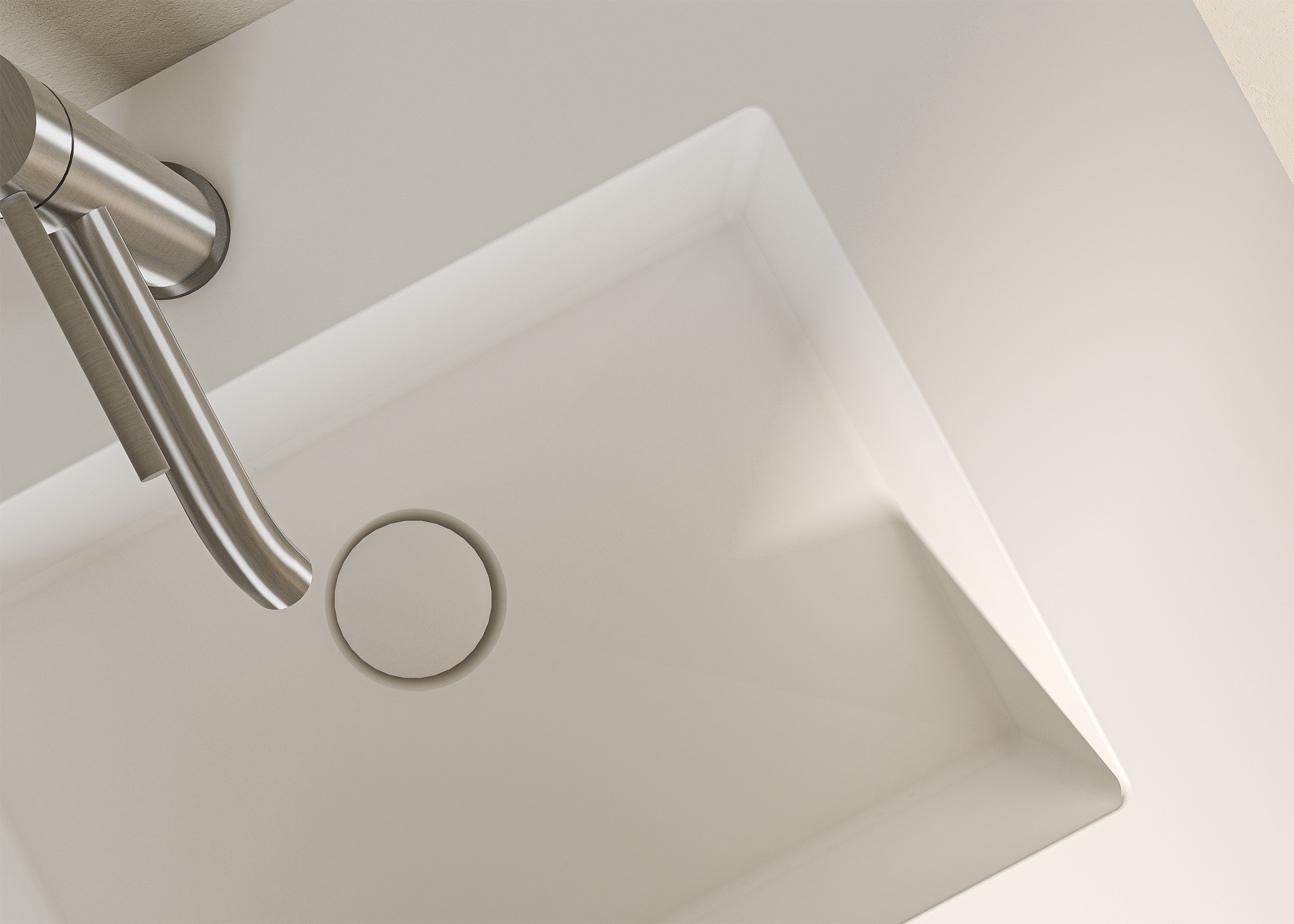
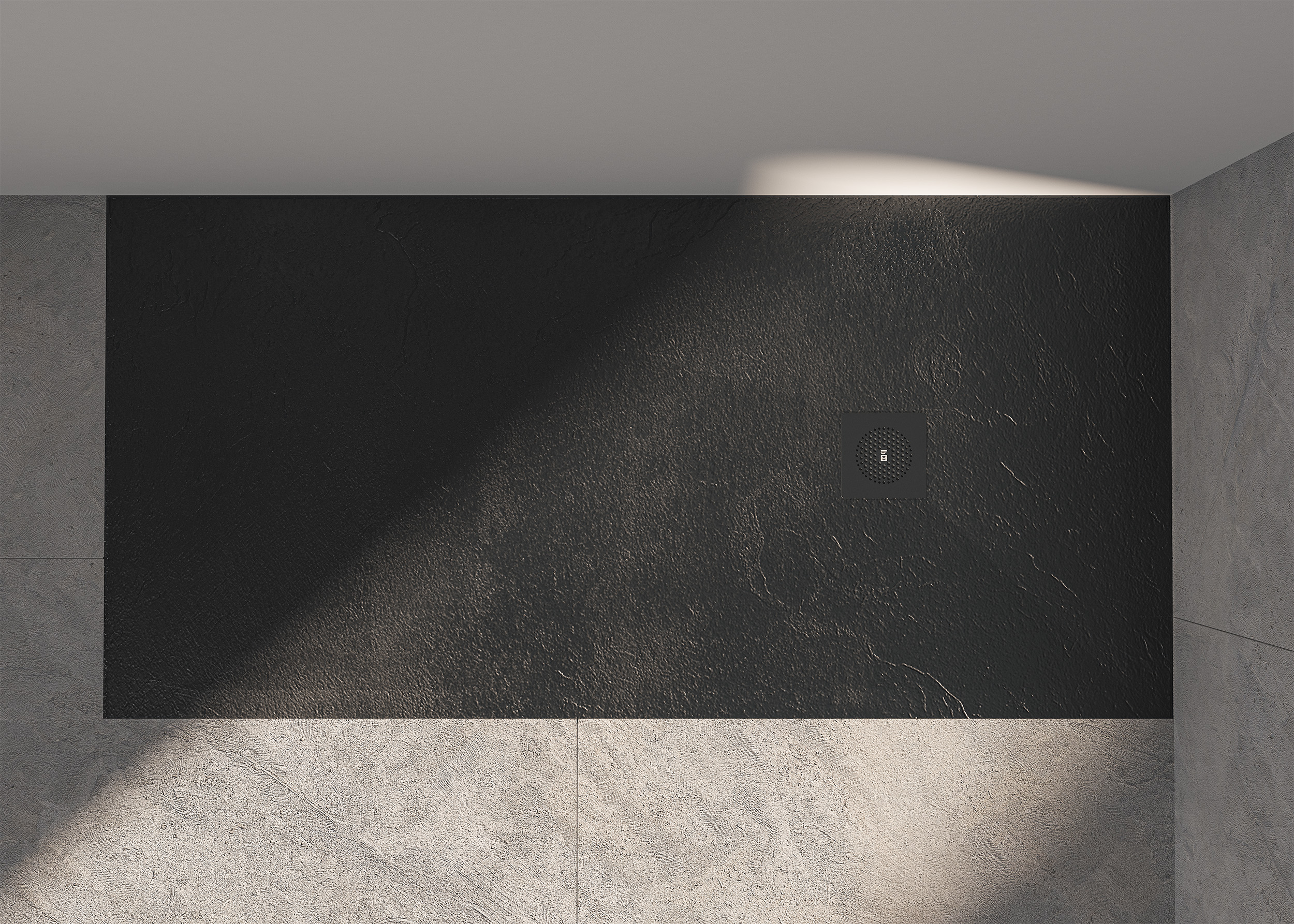
Matt surfaces, textures inspired by natural materials and seamless finishes all contribute to reinforcing the sense of unity that defines many contemporary projects.
Colour as a unifying element
Colour is no longer a resource reserved solely for wall finishes or paint. Today, it forms part of the project's design language, creating connections between the different elements of the bathroom.
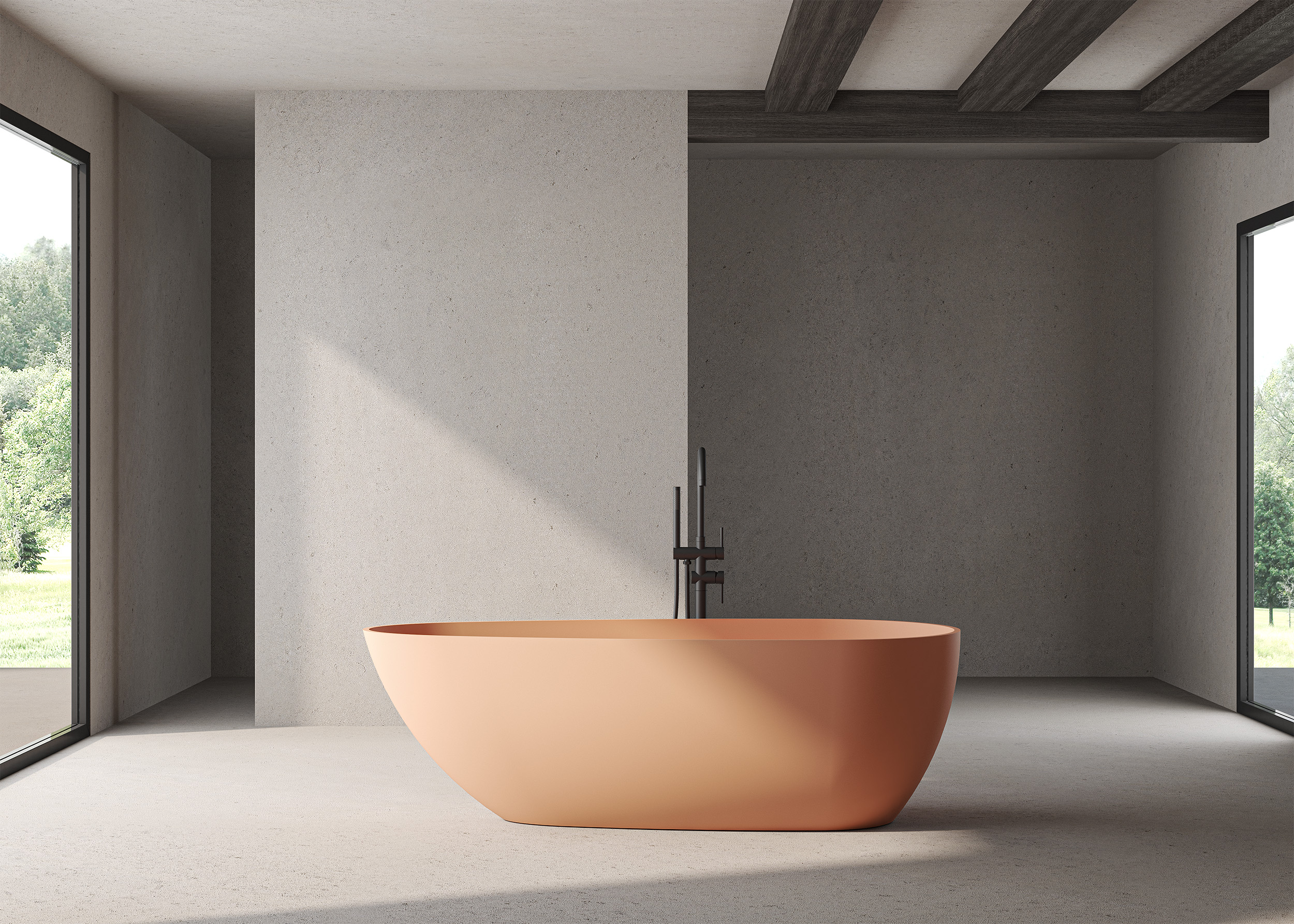
Applying the same colour palette to shower trays, bathtubs and countertops helps create calm, balanced environments, while introducing a distinctive colour in a single feature can establish visual hierarchy without compromising the overall coherence of the space.
Rather than striving for uniformity, the aim is to use colour with purpose, reinforcing both the identity of the space and the relationship between all its elements.
Continuity is also built through texture
When discussing continuity, materials and colour usually come first to mind, yet texture also plays an essential role in the way a space is perceived.
Finishes inspired by stone, slate and other natural surfaces introduce depth and character without relying on strong visual contrasts. When combined coherently, different textures enrich the project and create a warmer, more tactile experience.
The key lies in achieving the right balance between variety and coherence, ensuring that no individual element competes visually with the others.
Continuity does not mean uniformity
One of the most common misconceptions is to associate continuity with repetition. In reality, a coherent project does not require every element to be identical.
Continuity can also be achieved through recurring proportions, a shared geometric language, the combination of compatible materials or a consistent colour palette. Likewise, introducing a feature with greater visual prominence—such as a freestanding bathtub or a countertop in a distinctive colour—can strengthen the project's identity when it responds to a deliberate design intention.
Coherence is not achieved by eliminating contrast, but by understanding where, when and why to introduce it.
Designing through coherence
The projects that stand the test of time usually share one defining characteristic: every decision responds to the same underlying idea.
When materials, colour, texture and geometry work together towards a common objective, the bathroom is no longer perceived as a collection of individual elements, but as a space conceived as a unified whole.
Beyond changing trends, continuity is a design tool for creating bathrooms that are balanced, functional and full of character. A principle that makes it possible to create spaces capable of preserving both their aesthetic and architectural value over time.